
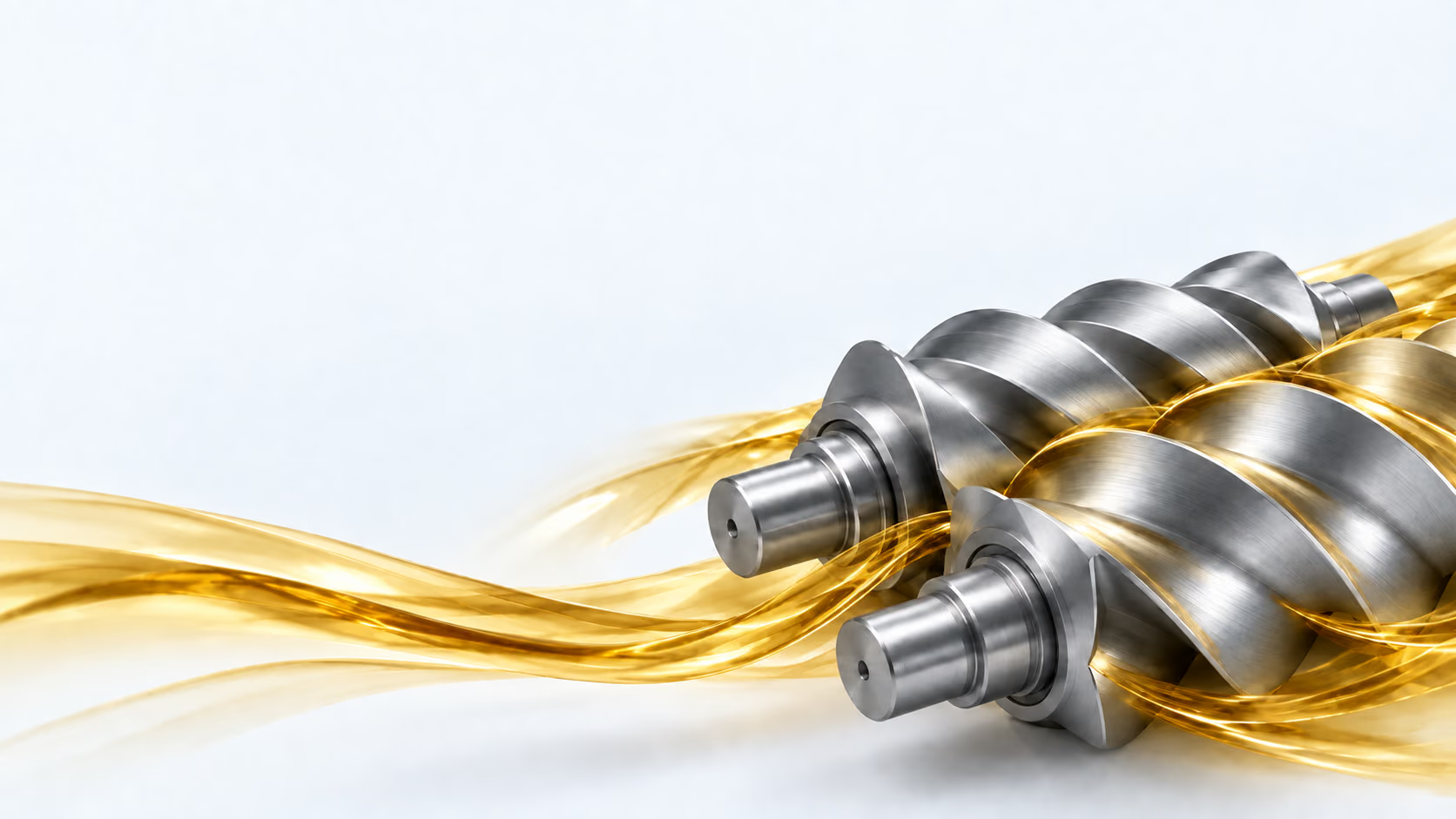
Industrial Air Compressors
Oil-Injected Rotary Screw Air Compressors
Choose an oil-injected rotary screw compressor for your workshop or factory air system. Compare tank-mounted units, integrated packages and standalone machines by working pressure, airflow and the equipment you need.
Our products
Find the Series for Your Air Demand
Start with the package and pressure your equipment needs, then compare models within the series.
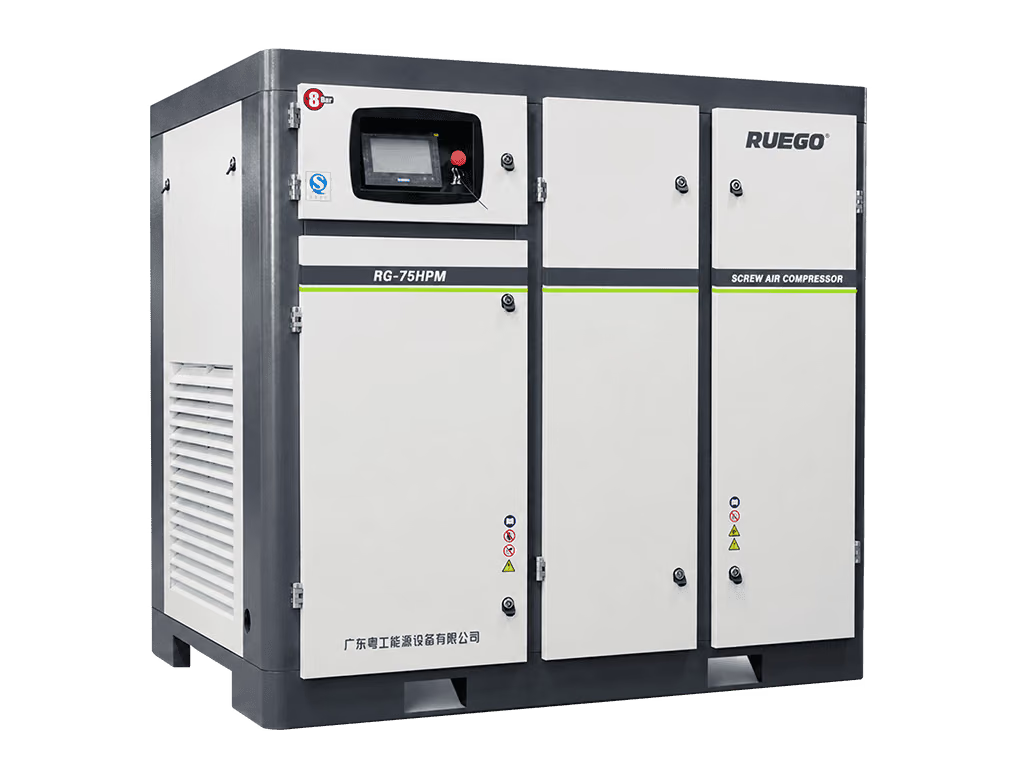
RG Series VSD Screw Air Compressors
The RG Series comprises a line of variable-frequency screw air compressors specifically designed for industrial facilities characterized by fluctuating air demand, stringent requirements for pressure stability, and extended operating hours. Prior to selecting a model, please ensure that you verify the pressure, airflow, and voltage specifications.
Power
10-350 HP
Pressure
8 / 10 / 12 bar
Air Flow
0.72-42.3 m³/min
Drive Type
PM VSD
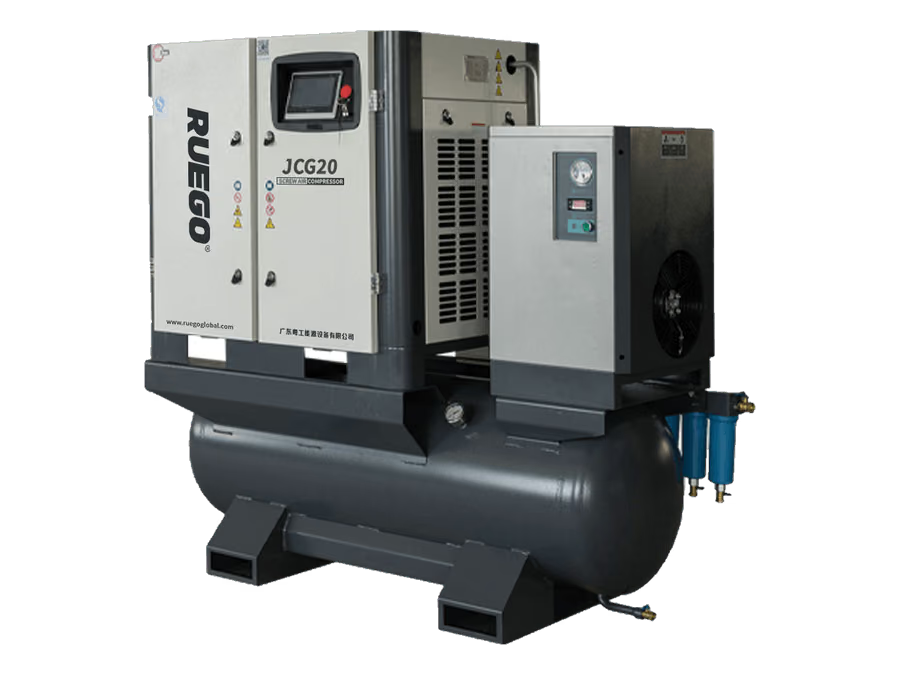
Rotary Screw Air Compressor with Dryer and Tank
RUEGO JCG Series integrated screw compressor packages combine air compression, refrigerated drying, precision filtration and air storage in one compact system. Choose 16 bar standard models for high-pressure applications, or confirm 8–12 bar configurations for general industrial air supply.
Power
20-50 HP
Pressure
16 bar
Air Flow
1.62–3.99 m³/min
Drive Type
PM VSD
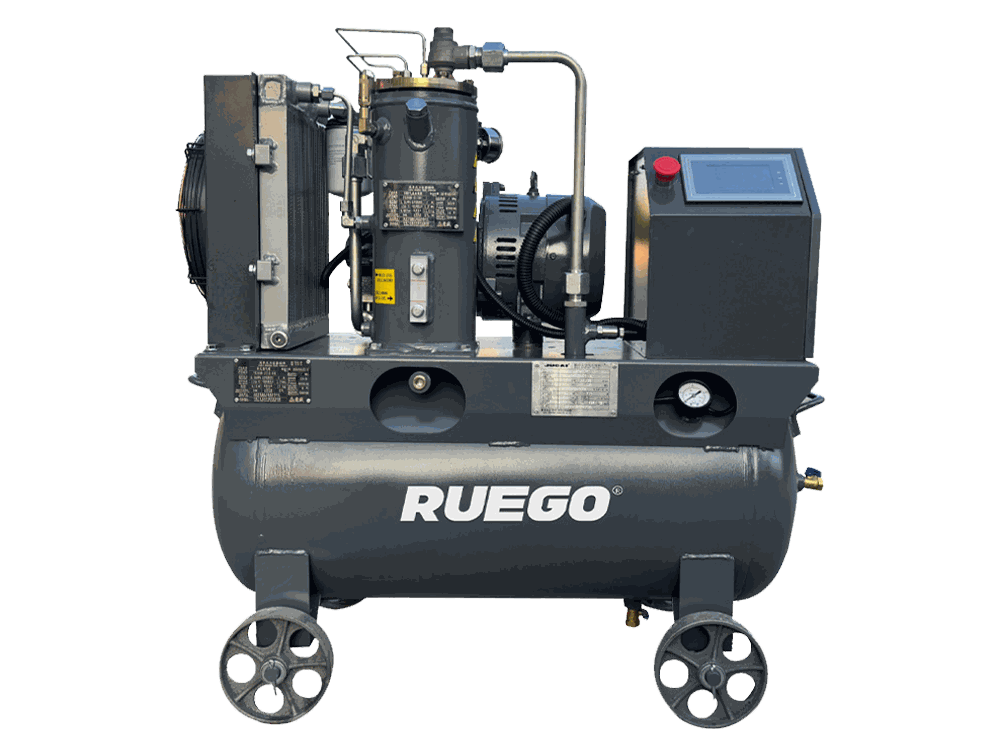
Small Rotary Screw Air Compressor with Tank
RUEGO Small Series combines an oil-lubricated screw compressor, air tank and wheeled base for compact workshop air supply. Fixed-speed models fit stable air demand; variable-speed models fit changing use. Available in 3-10 HP, 8-10 bar and 220V/380V options.
Power
3-10 HP
Pressure
8-10 bar
Air Flow
0.27-1.1 m3/min
Drive Type
PM VSD
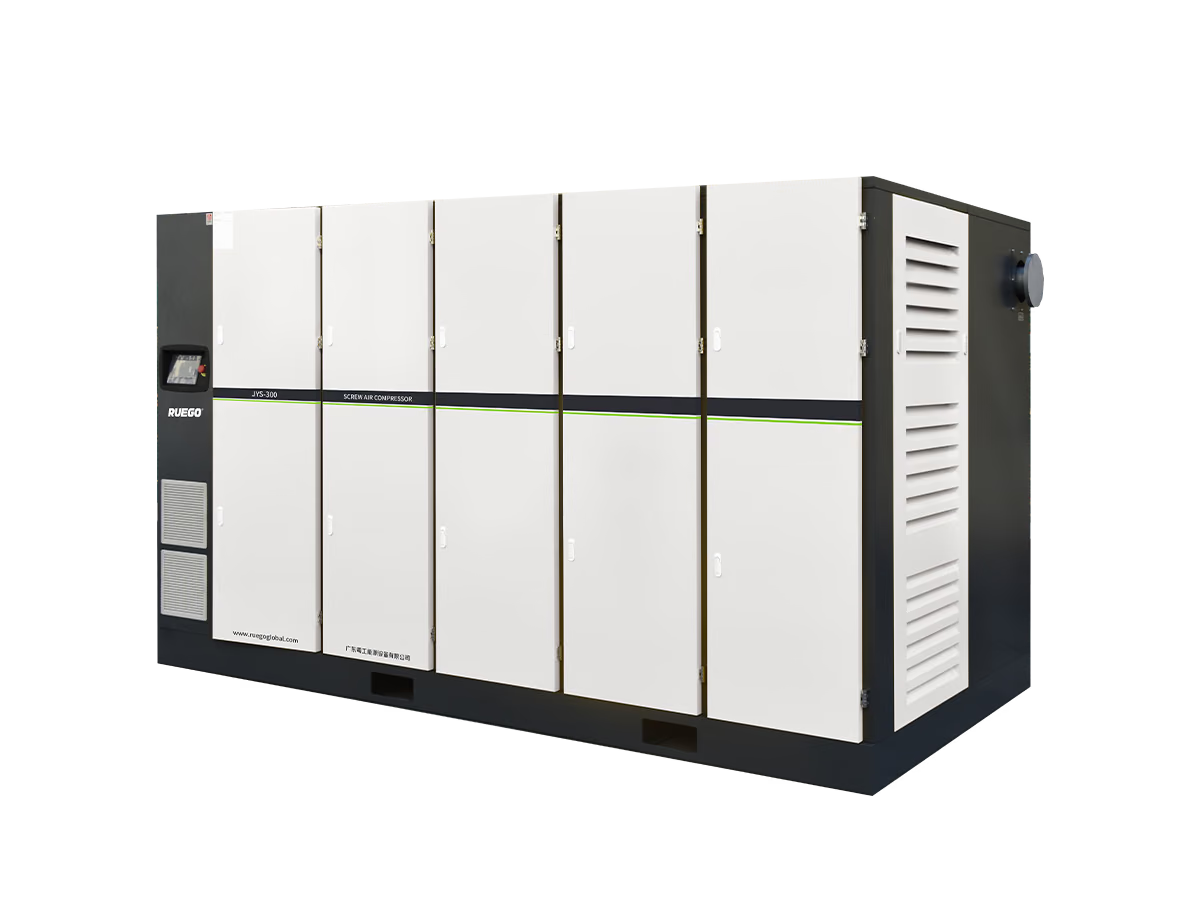
JYS-HL Series Low-Pressure, High-Flow Screw Compressor
When the process needs air volume more than higher pressure, a 5 bar low-pressure large-flow screw compressor can serve air-jet looms, conveying lines, blowing systems and low-pressure central air stations. The series uses two-stage compression and permanent magnet VSD control for long-running industrial service.
Power
50–300 HP (37–220 kW)
Pressure
5 bar
Air Flow
8.2-63.0 m³/min
Drive Type
PM VSD
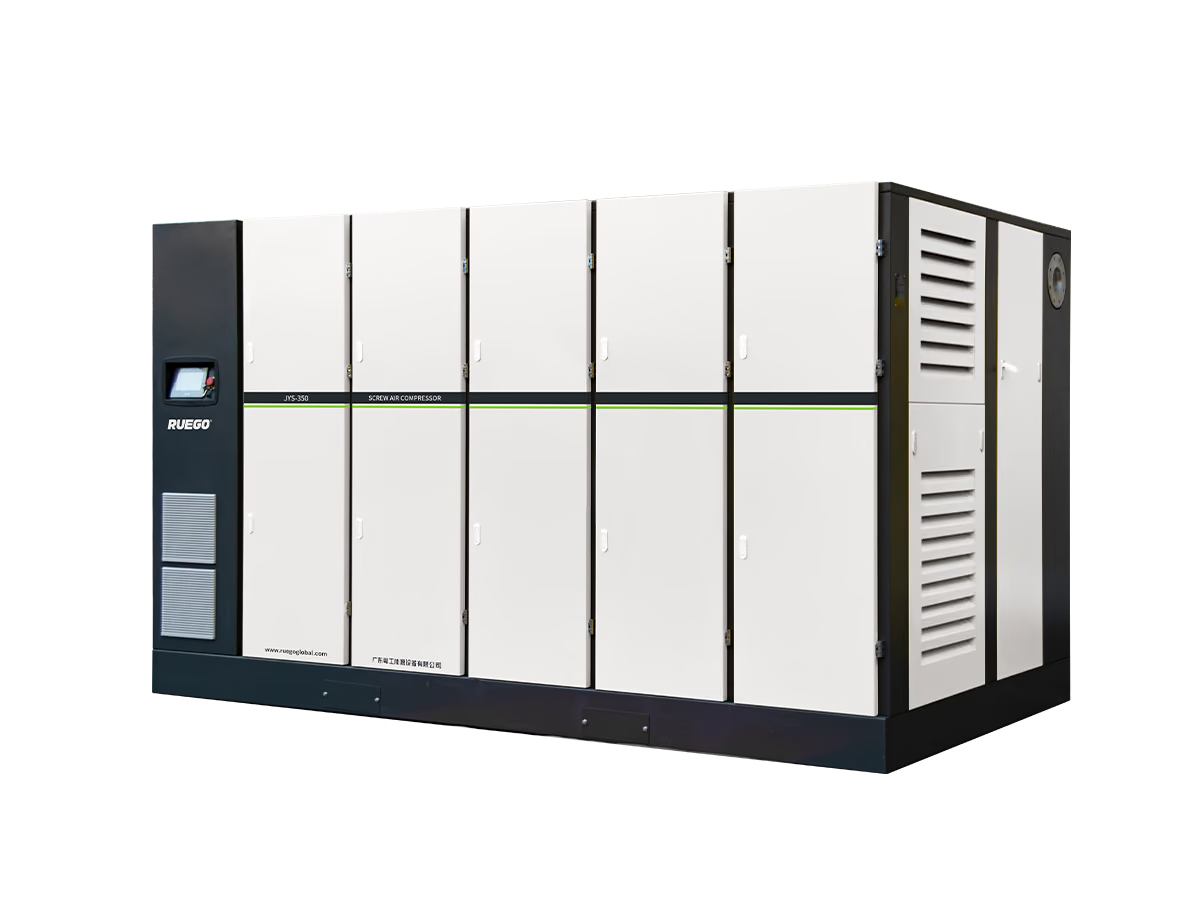
JYS-HA Standard and Medium Pressure Two-Stage Screw Compressors
Keep 8, 10 or 12.5 bar compressed air steady across long shifts without oversizing the air station. JYS-HA gives standard and medium-pressure plants a two-stage PM VSD compressor range from 37 to 500 kW, helping machining, assembly, automotive and general manufacturing lines match pressure, flow and air treatment in one system plan.
Power
50–675 HP (37–500 kW)
Pressure
8 / 10 / 12.5 bar
Air Flow
5.2-100.0 m3/min
Drive Type
PM VSD
Series ranges cover multiple models and configurations. Use the model’s delivered airflow at your working pressure for sizing.
The basics
What Is an Oil-Injected Rotary Screw Air Compressor?
An oil-injected rotary screw air compressor uses two rotating helical rotors to draw in air and compress it as the space between them gets smaller. Oil enters the compression chamber to absorb heat, lubricate and seal. The air then passes through an oil separator, and the recovered oil is cooled and recirculated.
You will also see these machines described as oil-lubricated or oil-flooded rotary screw compressors. These names refer to the same compression method here. Dryers and filters prepare the discharged air for the process it supplies.
Explore All Rotary Screw Air Compressors →Selection guide
Choose the Right Configuration
Start with the airflow your equipment needs at its working pressure, including losses through treatment equipment and piping. Then consider three separate choices.
01
Installation & Package
A standalone compressor lets you use existing storage and air treatment. A tank-mounted unit combines compression and storage, while an integrated package also brings in drying and filtration. Check the equipment included, electrical supply, ventilation and service space.
02
Drive & Air Demand
Fixed-speed operation suits a steady air load. Variable speed drive adjusts output as demand changes through a shift. Compare power consumption across your working pattern, including quieter periods and daily running hours.
03
Compression Stages
Single-stage and two-stage describe how air is compressed. Compare delivered airflow and power consumption at the pressure and loads you need. Long operating hours make this comparison especially useful when weighing the purchase price against running costs.
Explore Two-Stage Screw Compressors →Application & air quality
Match the Air Supply to the Work
CNC, packaging & general manufacturing
Size for machines running together and check pressure at the furthest point of use. Match drying and filtration to equipment requirements.
Small workshops & pneumatic tools
Check tool airflow and simultaneous use. A tank-mounted layout saves separate receiver space; allow room for cooling and maintenance.
Local production cells & metalworking
An integrated package reduces separate equipment and pipe connections. Match the working pressure and air quality to the production equipment.
Textiles, conveying & high-volume blowing
Check the process pressure and sustained airflow. For low-pressure service, size piping and treatment equipment to limit pressure loss.
Build the Air Treatment Around the Process
Specify moisture, particle and oil limits at the point of use. An oil separator inside the compressor is one part of the system; the dryer and filters handle the required downstream treatment.
Moisture. Use refrigerated drying for general industrial service, or desiccant drying when a lower pressure dew point is required.
Particles and oil aerosols. Select compressed air filters for the specified contaminant limits. Include oil-vapor treatment when the process requires it.
Storage and drainage. Size the air receiver for demand changes and drain condensate from collection points. Include treatment and piping pressure losses in the system design.
Selection support
Get Help Selecting Your Compressor
Tell us what you need to run. We’ll help narrow down the series, model and air-treatment package.
• Application, working pressure and airflow
• Running hours and changes in demand
• Voltage, phase, frequency and available space
• Air-quality requirements and existing treatment equipment
• Destination country and required quantity
No airflow measurement yet? Send your equipment list and working schedule to start the discussion.
OEM / Project Configuration
Need your own branding or a project-specific package? Share your logo, color, electrical supply, nameplate and packaging requirements. We’ll review them alongside the compressor, receiver and air-treatment configuration.
FAQs
Oil-Injected Screw Compressor FAQs
What maintenance does an oil-injected screw compressor need?
Routine service covers the lubricant, inlet and oil filters, oil separator, coolers and condensate drains. Follow the model’s service schedule and check operating temperature, pressure and oil level. Keep cooling surfaces clean and leave access for routine servicing.
How does an oil-injected compressor differ from an oil-free compressor?
An oil-injected compressor introduces oil into the compression chamber; an oil-free compressor does not. Start with the oil limit specified for your process, then select the compressor and treatment system together. Both types still need moisture and particle control.
Does an oil-injected screw compressor include a dryer and air tank?
Check the package contents. A tank-mounted compressor includes a receiver, while an integrated package can also include a dryer and filters. Standalone units use separately selected equipment. Match the treatment system to the moisture, particle and oil limits your process requires.
Can I use an oil-injected compressor with my existing dryer and receiver?
Compare the new compressor’s airflow and operating pressure with the ratings of the existing equipment. Check dryer capacity at the expected inlet temperature, filter capacity, receiver pressure rating and connection sizes. Include pressure losses when sizing the system.
How do I choose the right compressor size?
Start with the pressure needed at your equipment and the airflow required when machines run together. Allow for pressure loss through treatment equipment and piping, then compare model output at that pressure. Send an equipment list and working schedule if you do not have measured air-demand data.