
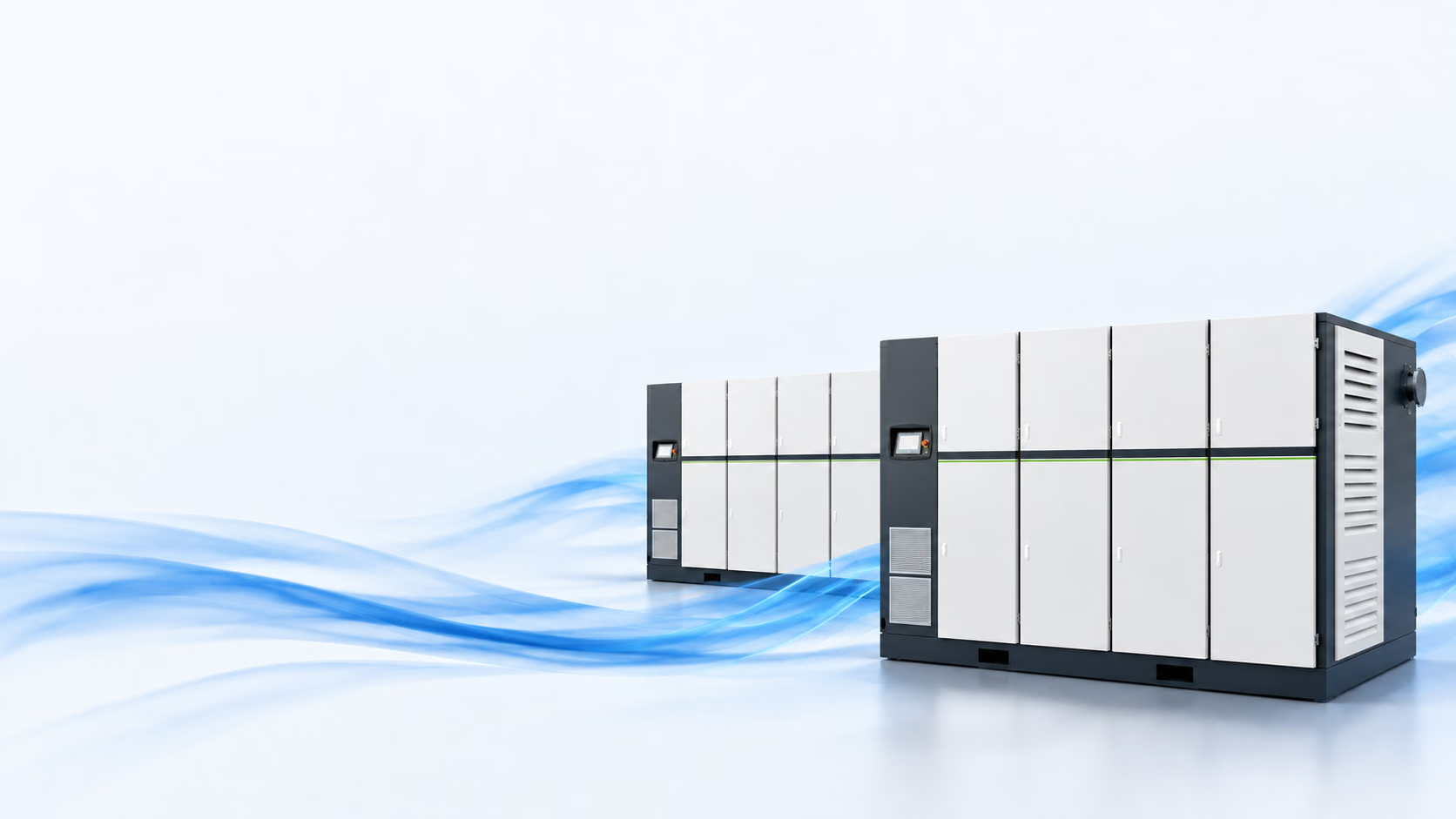
Industrial Air Compressors
Two Stage Screw Air Compressors
Two-stage compression for industrial air supply. Explore our range of two-stage screw air compressors and find the right working pressure, airflow and capacity for your operation.
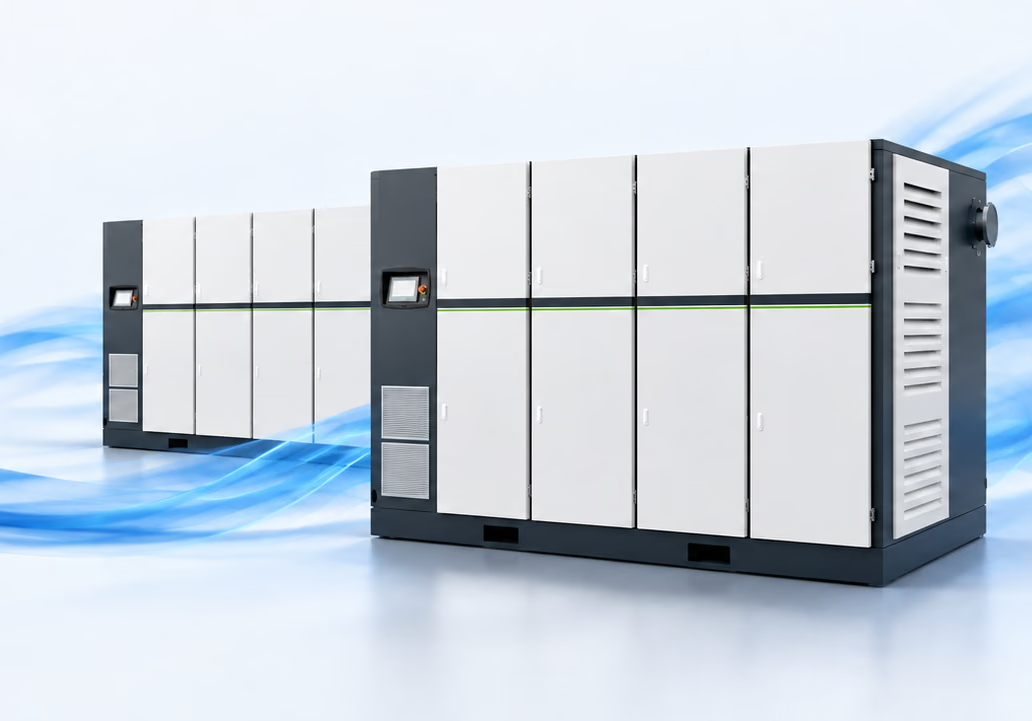
Product Series
All Two-Stage Screw Air Compressors
Choose the pressure range that fits your process.
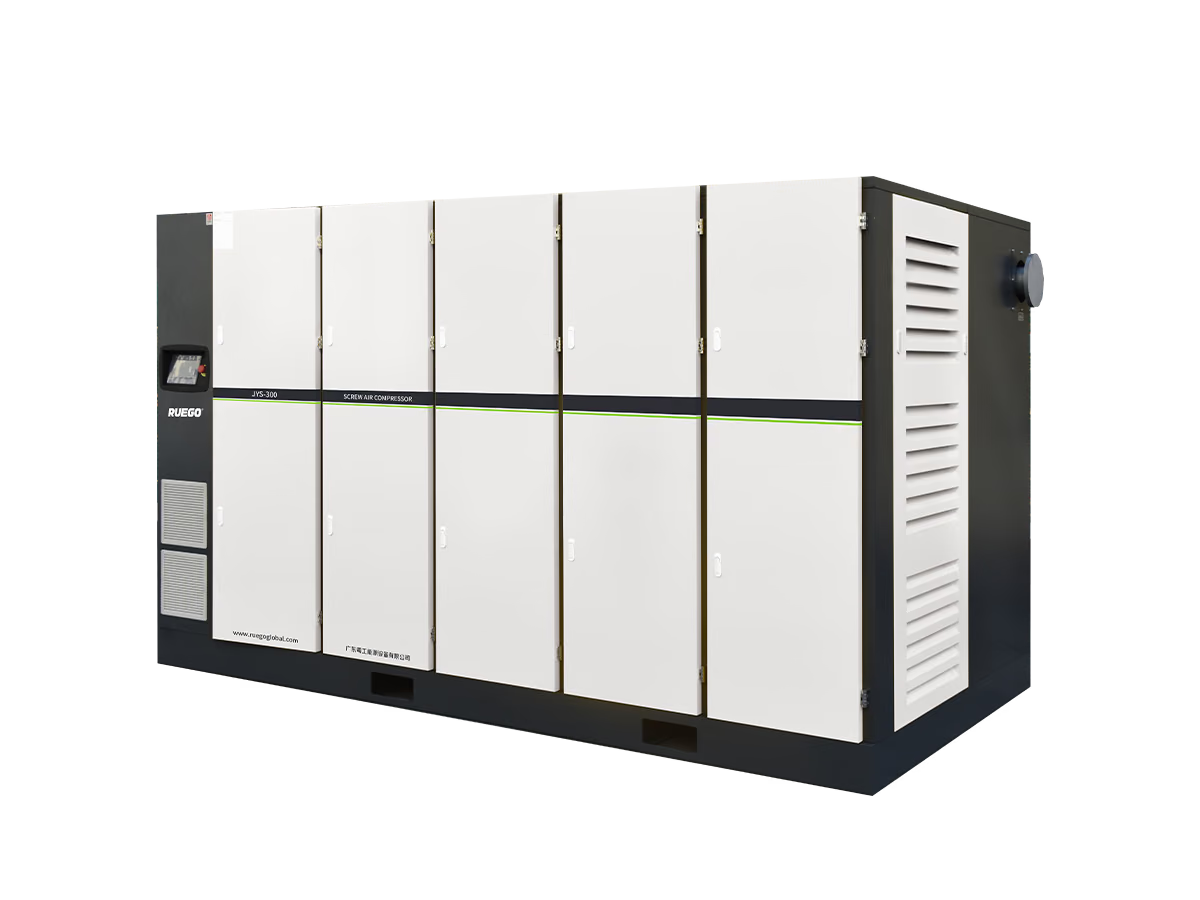
JYS-HL Series Low-Pressure, High-Flow Screw Compressor
When the process needs air volume more than higher pressure, a 5 bar low-pressure large-flow screw compressor can serve air-jet looms, conveying lines, blowing systems and low-pressure central air stations. The series uses two-stage compression and permanent magnet VSD control for long-running industrial service.
Power
50–300 HP (37–220 kW)
Pressure
5 bar
Air Flow
8.2-63.0 m³/min
Drive Type
PM VSD
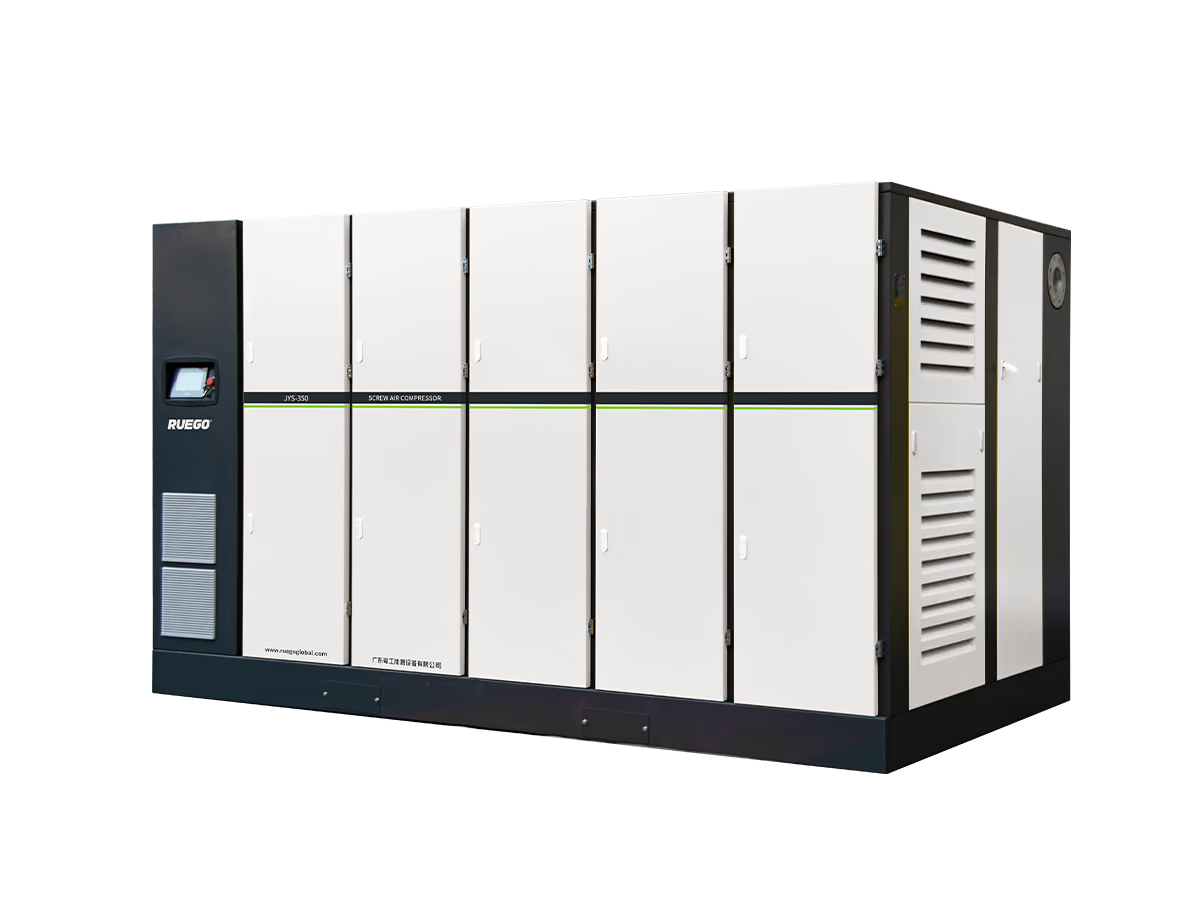
JYS-HA Standard and Medium Pressure Two-Stage Screw Compressors
Keep 8, 10 or 12.5 bar compressed air steady across long shifts without oversizing the air station. JYS-HA gives standard and medium-pressure plants a two-stage PM VSD compressor range from 37 to 500 kW, helping machining, assembly, automotive and general manufacturing lines match pressure, flow and air treatment in one system plan.
Power
50–675 HP (37–500 kW)
Pressure
8 / 10 / 12.5 bar
Air Flow
5.2-100.0 m3/min
Drive Type
PM VSD
Series ranges are shown. Airflow varies by model and working pressure; use the model data for final selection.
Two-Stage Compression
What Is a Two-Stage Screw Air Compressor?
A two-stage screw air compressor compresses air through two sets of screw rotors: the first stage raises the air to an intermediate pressure, followed by cooling between the stages; the second stage then raises it to the required discharge pressure.
Splitting the pressure rise and cooling the air between stages reduces compression work and heat buildup, helping lower energy use. These energy benefits come with a typically higher initial investment than a comparable single-stage compressor.
Compression Comparison
Single-Stage vs Two-Stage Screw Compressors
Single-stage compressors offer a simpler design and lower purchase cost. Two-stage compressors put more of the investment into energy efficiency, with the strongest returns in demanding, long-running applications.
The more hours a compressor runs under load, the more its efficiency matters. Compare power input at the same pressure and delivered airflow, then use annual running hours, electricity rates and service costs to see how quickly the energy savings recover the extra investment.
Selection Guide
Choose by Pressure, Air Flow and Duty Cycle
01
Start with the required pressure
Start with the pressure your equipment needs, then account for pressure losses through dryers, filters and piping. Choose a compressor that delivers the required airflow at this discharge pressure.
02
Size for your actual airflow
Measure air use across a typical production cycle, including equipment running together and peak-demand periods. Match the compressor’s free air delivery (FAD) at your chosen pressure to this demand, with room for planned expansion.
03
Match output to your workload
Map running hours and changes in demand across each shift. Use this profile to select the capacity and VSD operating range; for multi-compressor systems, coordinate sequencing so output follows production demand efficiently.
04
Plan the installation
Match the electrical supply and cooling arrangement to your site. Provide clean intake air, ventilation to remove heat, condensate drainage and clear maintenance access. Size the distribution piping for the airflow and distance to your equipment.
Application Fit
Match the Series to Your Process
Factory and machining air: JYS-HA
For central air stations, CNC machining, assembly and general manufacturing where the required supply pressure is 8, 10 or 12.5 bar.
Ask About JYS-HA →Low-pressure process air: JYS-HL
For textile, glass and cement operations, low-pressure conveying and large-volume blowing where 5 bar meets the process requirement.
Ask About JYS-HL →Selection Support
Get Help Selecting a Two-Stage Compressor
Tell us what your process needs and we can help narrow down the series and model. If airflow is unknown, start with your equipment list and operating schedule.
• Required pressure, airflow and application
• Running hours and electrical supply
• Destination and quantity
Send Your RequirementsFAQs
Two-Stage Screw Air Compressor FAQs
When is a two-stage screw compressor worth the investment?
Two-stage compression is especially attractive for plants with high air demand and long operating hours. Lower energy use adds up across each shift, helping offset the higher purchase price. Compare annual electricity and service costs alongside the initial investment.
How do I estimate energy savings and payback?
Compare the two compressors’ power input at the same pressure and delivered airflow across your normal workload. Multiply the power saving by annual running hours and your electricity rate. Subtract any additional annual maintenance cost, then divide the extra purchase and installation cost by that yearly saving to estimate payback.
What does variable speed drive add to two-stage compression?
Two-stage compression reduces the work needed to compress air; variable speed drive adjusts motor speed as air demand changes. Together, they help match efficient compression with flexible output. VSD is particularly useful when production demand rises and falls across shifts.
Do I still need a dryer and filters?
For processes that need dry, clean air, pair the compressor with suitable drying and filtration. A dryer removes moisture, while filters control particles and oil aerosols. Choose the treatment package around your process’s pressure dew point and air-purity requirements.
What maintenance does a two-stage screw compressor need?
For an oil-lubricated unit, routine care includes lubricant checks, filter and separator servicing, cooler cleaning and condensate-drain checks. Follow the model’s service schedule and track operating temperature and pressure. Clean cooling surfaces and timely servicing help preserve efficiency and uptime.
What should I send for a selection recommendation and quotation?
Send your required pressure and airflow, application, daily running hours, electrical supply and destination. For a replacement, include the existing compressor model and operating records. An equipment list and production schedule are a useful starting point if airflow has not yet been measured.