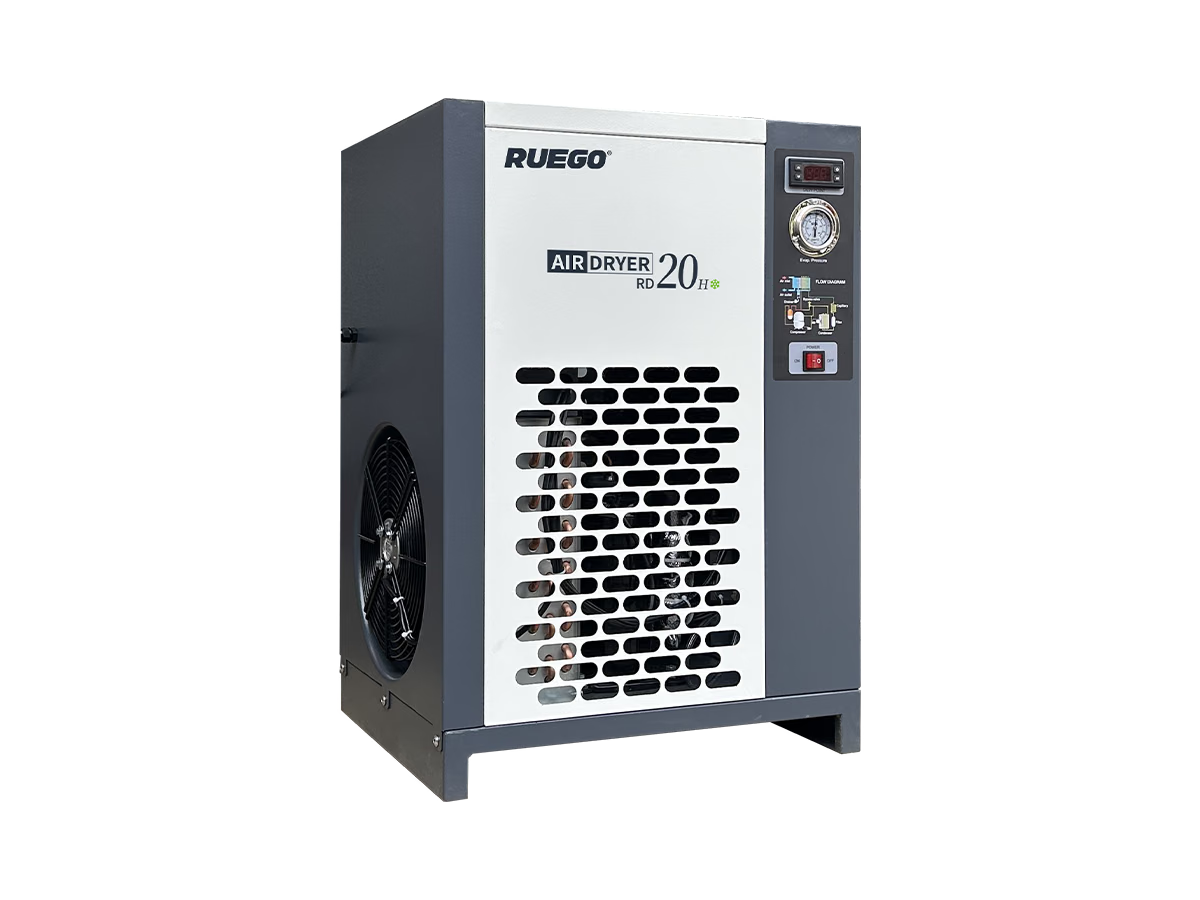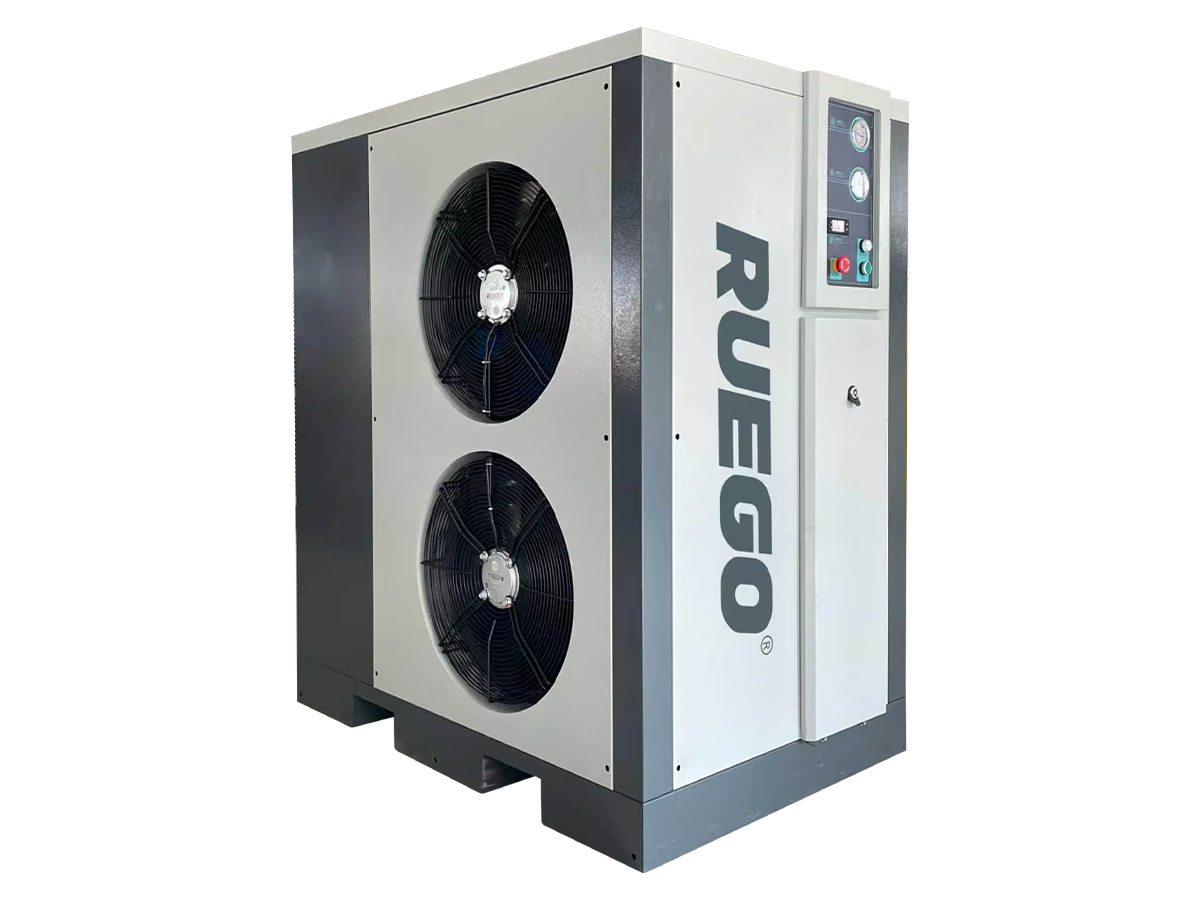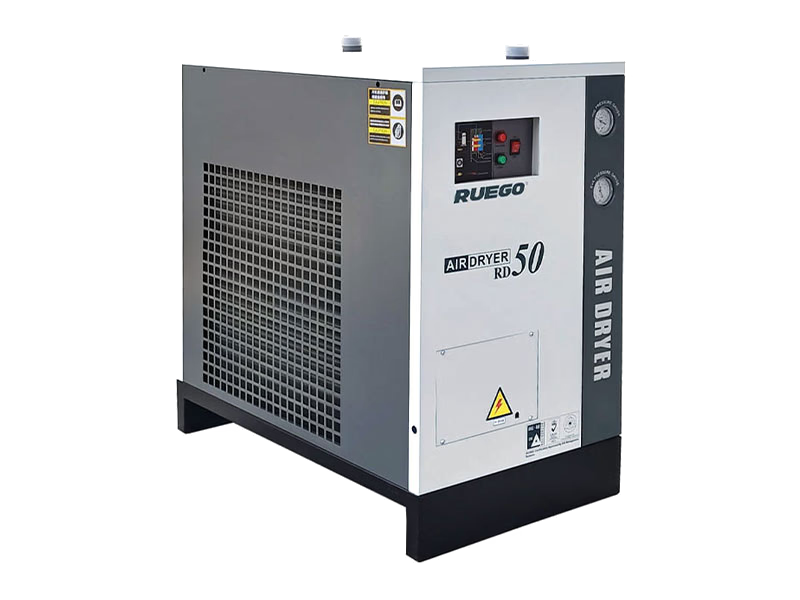
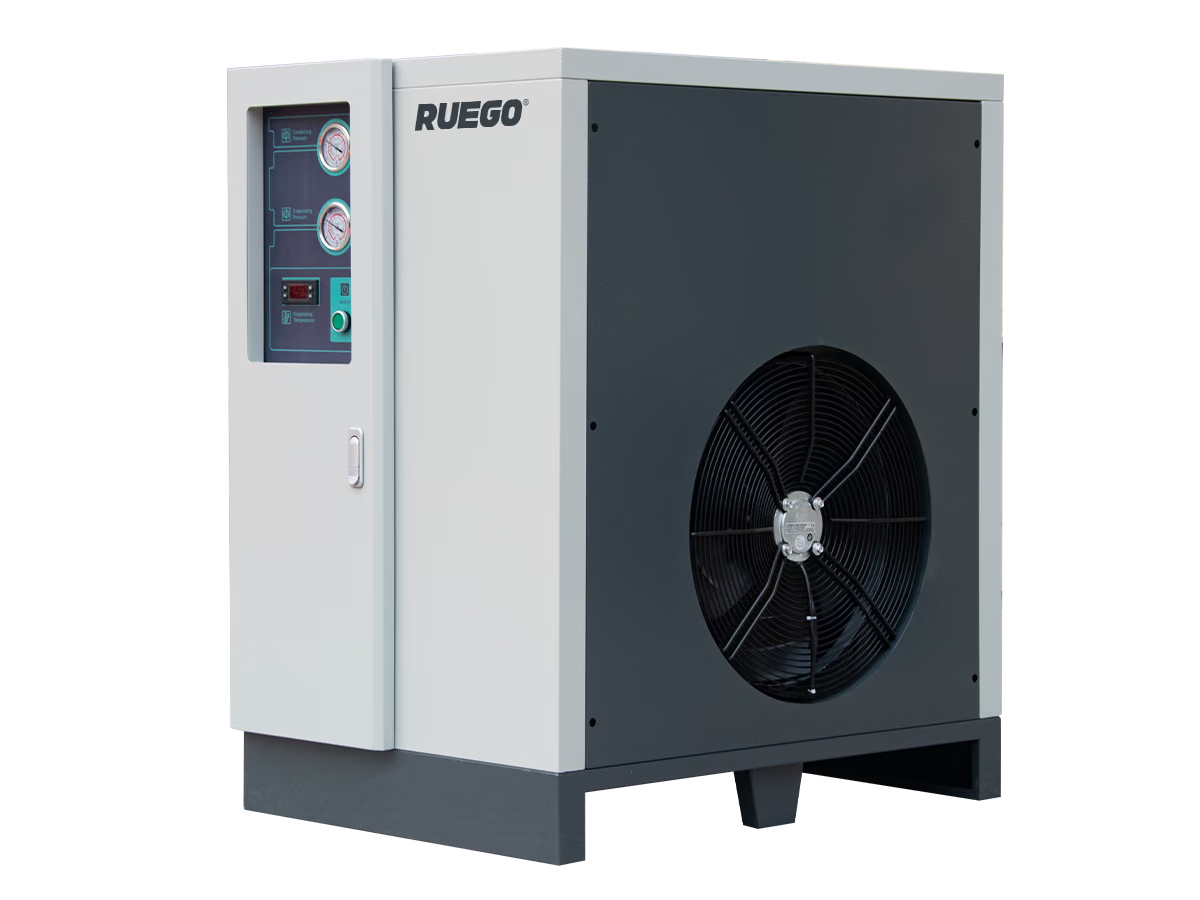
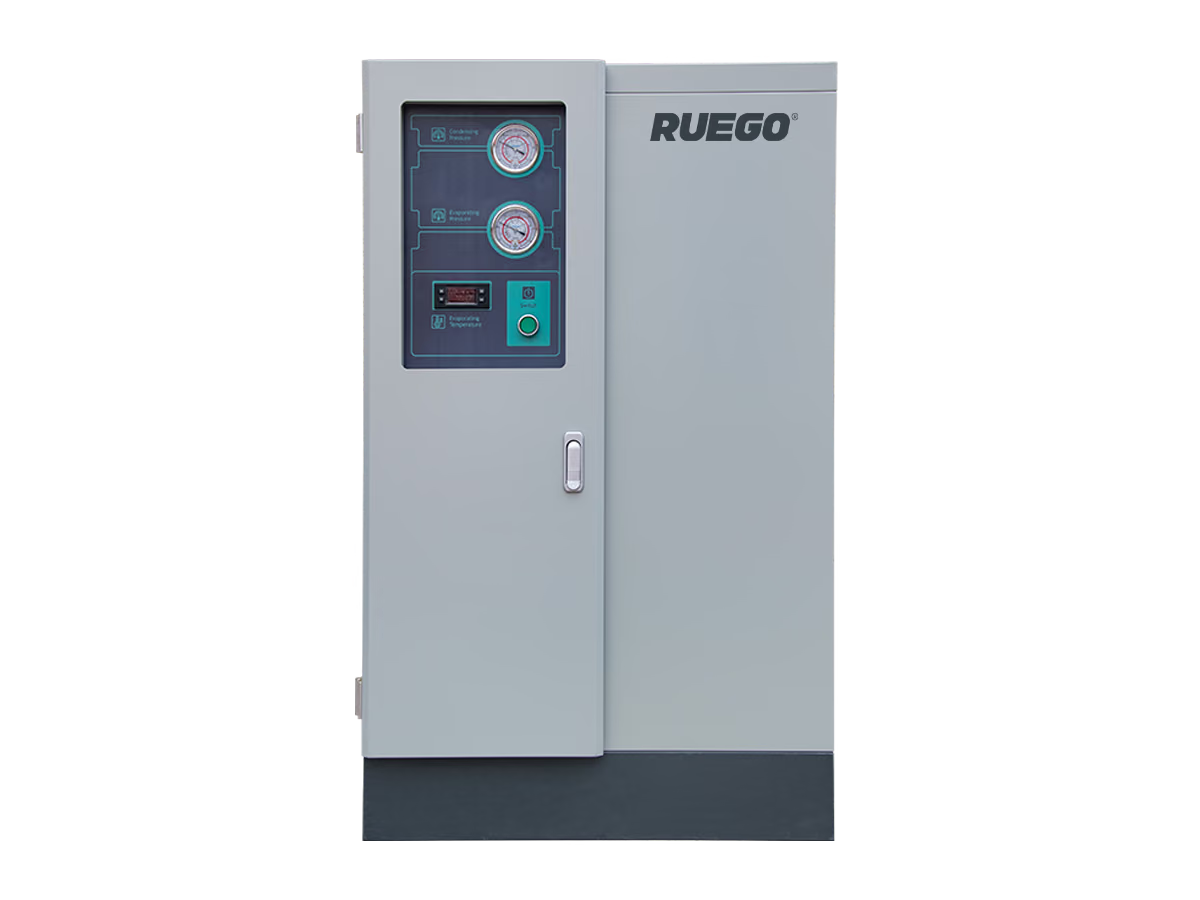
DS-V Series Overview
The RUEGO DS-V Series removes moisture from compressed air used in pneumatic equipment, machining, packaging and general manufacturing. Its air-cooled design combines integrated plate-fin heat exchange with fixed-speed refrigeration and hot gas bypass control.
Use DS-V for standard inlet-air conditions and applications requiring a pressure dew point of 2–10°C. Choose the model for the flow and conditions at the dryer inlet, whether it serves a single compressor or a centralized air station. To compare series and operating ranges, explore our refrigerated air dryers.
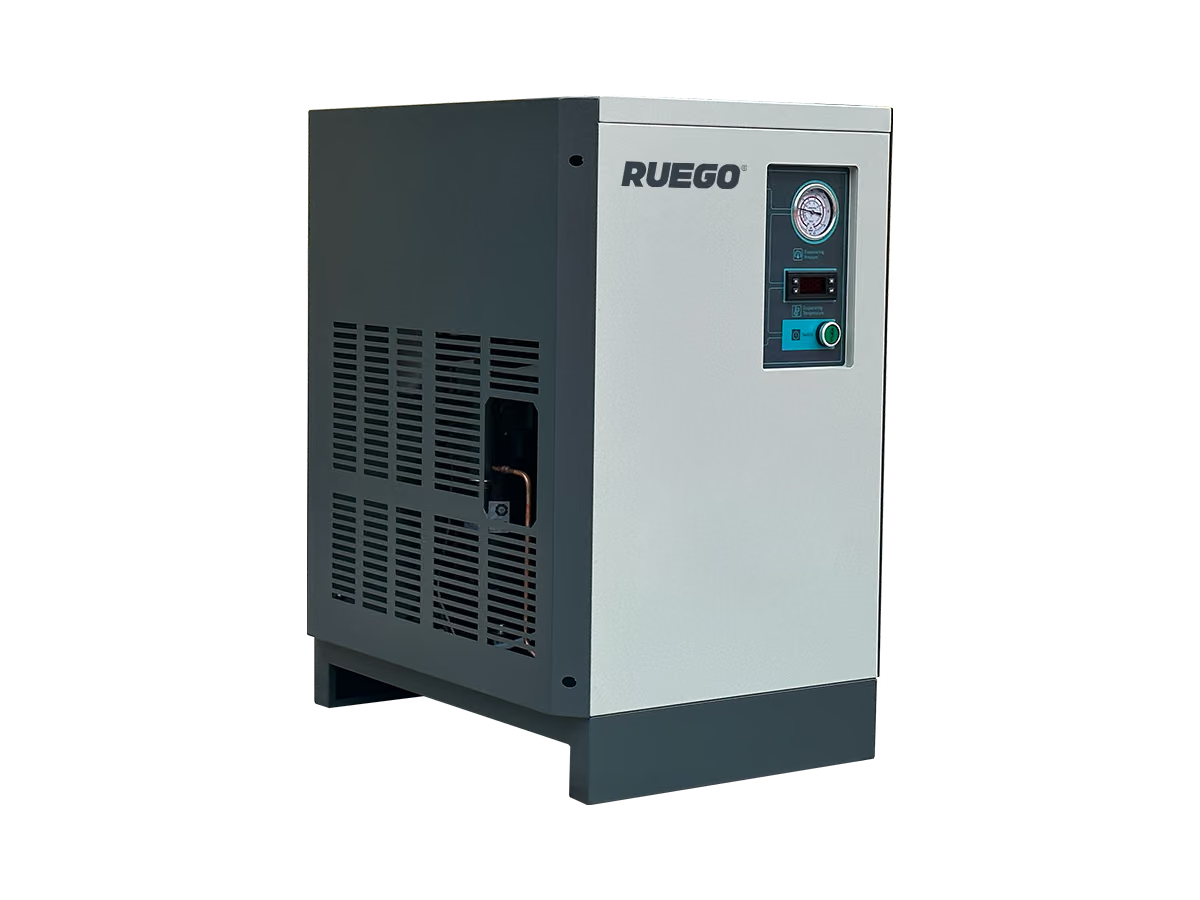
Integrated Plate-Fin Heat Exchange
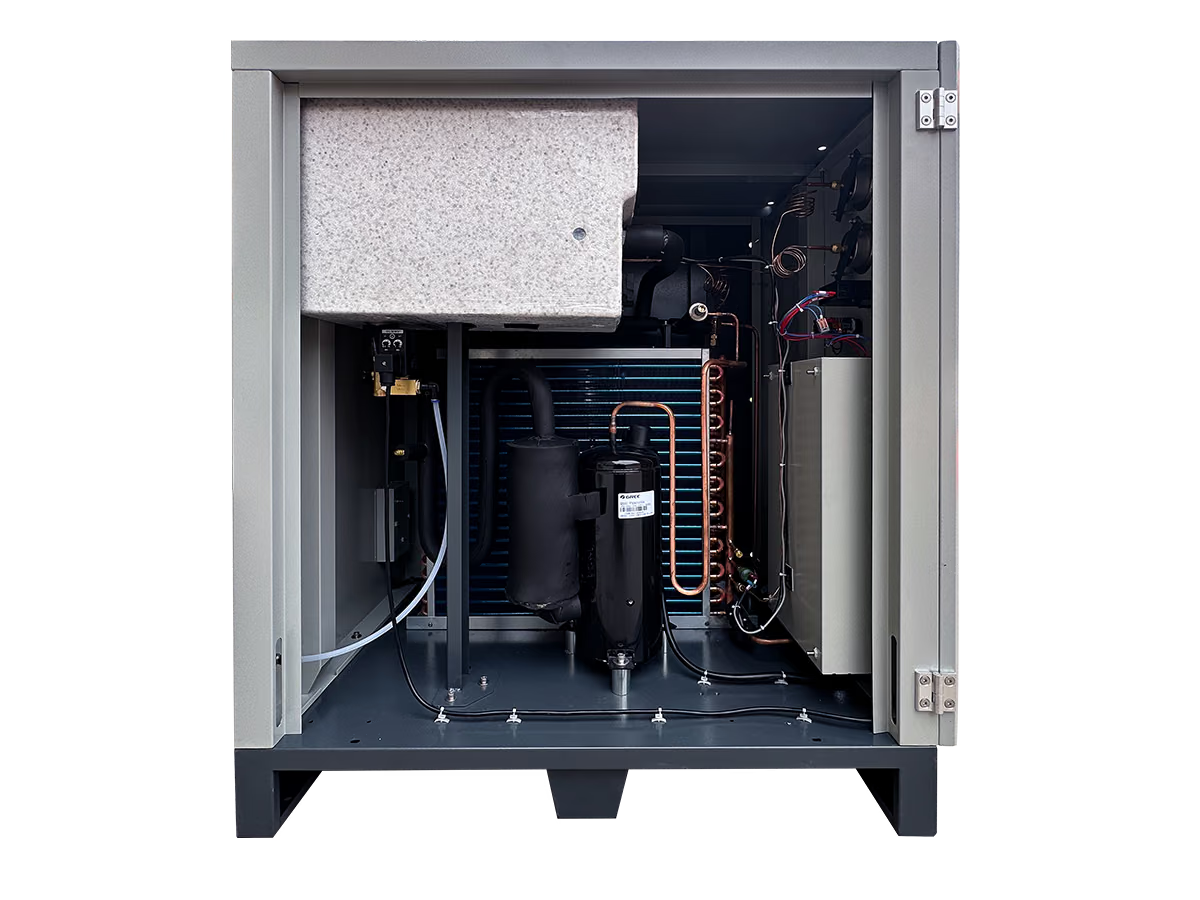
The aluminum plate-fin assembly integrates pre-cooling, evaporation and air-water separation. This arrangement reduces internal connections and helps keep the equipment compact.
One integrated air-treatment path
Incoming and outgoing air exchange heat before and after refrigeration. Condensed water is separated from the air stream and discharged through the drainage system.
The refrigeration circuit uses a fixed-speed compressor with hot gas bypass valve control.
01
Pre-cool. Warm inlet air transfers heat to the outgoing cold air.
02
Cool. Refrigeration lowers the air temperature so water vapor condenses.
03
Separate. The separation and drainage path removes condensed liquid water.
04
Reheat. The dried air recovers heat from incoming air before leaving the dryer.
Size the Dryer for Your Operating Conditions
Match the dryer to your peak airflow and site conditions. Check the operating limits, choose the correction factors, then calculate the rated capacity you need.
Operating conditions
Temperature
Inlet air: up to 50°C.
Ambient: 0–38°C across the DS-V Series, including DS250V.
Working pressure
7–16 bar: DS010V–DS135V and DS250V.
7–13 bar: DS185V, DS205V, DS350V and DS450V.
Correction factors
Rated capacity is based on 38°C ambient temperature, 45°C inlet air, 7 bar pressure and a 10°C pressure dew point. At these conditions, C1–C4 all equal 1.00.
C1 · Ambient temperature
| Ambient (°C) | Factor |
|---|---|
| 25 | 1.10 |
| 30 | 1.06 |
| 35 | 1.03 |
| 38 | 1.00 |
Install in an environment no warmer than 38°C, with adequate ventilation around the condenser.
C2 · Inlet-air temperature
| Inlet (°C) | Factor |
|---|---|
| 32 | 1.52 |
| 38 | 1.28 |
| 40 | 1.20 |
| 45 | 1.00 |
| 50 | 0.83 |
For inlet air above 50°C, discuss pre-cooling or another dryer series with RUEGO.
C3 · Inlet pressure
| Pressure (bar) | Factor |
|---|---|
| 7 | 1.00 |
| 8 | 1.04 |
| 9 | 1.07 |
| 10 | 1.12 |
| 12 | 1.13 |
| 15 | 1.20 |
| 16 | 1.30 |
The 15 and 16 bar factors apply only to DS010V–DS135V and DS250V. For operation at 13 bar, ask RUEGO to confirm capacity.
C4 · Pressure dew point
| Pressure dew point (°C) | Factor |
|---|---|
| 3 | 0.70 |
| 7 | 0.85 |
| 10 | 1.00 |
For a 2°C pressure dew point or a target between the listed values, ask RUEGO to size the dryer for your requirements.
Calculate the required capacity
Divide your peak airflow by the four correction factors. Use the same units and reference temperature and pressure for airflow demand and the dryer rating.
Required rated capacity =
Air demand ÷ (C1 × C2 × C3 × C4)
Selection example
For 6 m³/min at 38°C ambient, 50°C inlet, 8 bar and a 10°C pressure dew point, using the same airflow reference basis:
6 ÷ (1.00 × 0.83 × 1.04 × 1.00)
≈ 6.95 m³/min
The 8.5 m³/min DS085V is a starting point for selection. RUEGO will confirm the model against your full operating requirements.
Using CFM or SCFM? Include the airflow reference temperature and pressure with your enquiry so RUEGO can match it to the dryer rating.
Plan for Ventilation and Service Access
Air cooling avoids the need for an external cooling-water system. Keep the condenser air inlet and outlet clear, prevent hot exhaust air from recirculating and leave room for inspection and maintenance.
Check the electrical supply
The listed standard supplies are 50 Hz, with voltage and phase varying by model. Confirm the site supply and destination requirements before ordering; 60 Hz availability requires separate confirmation. DS250V accepts 380–415 VAC / 3 Ph / 50 Hz.
Specify the controls you need
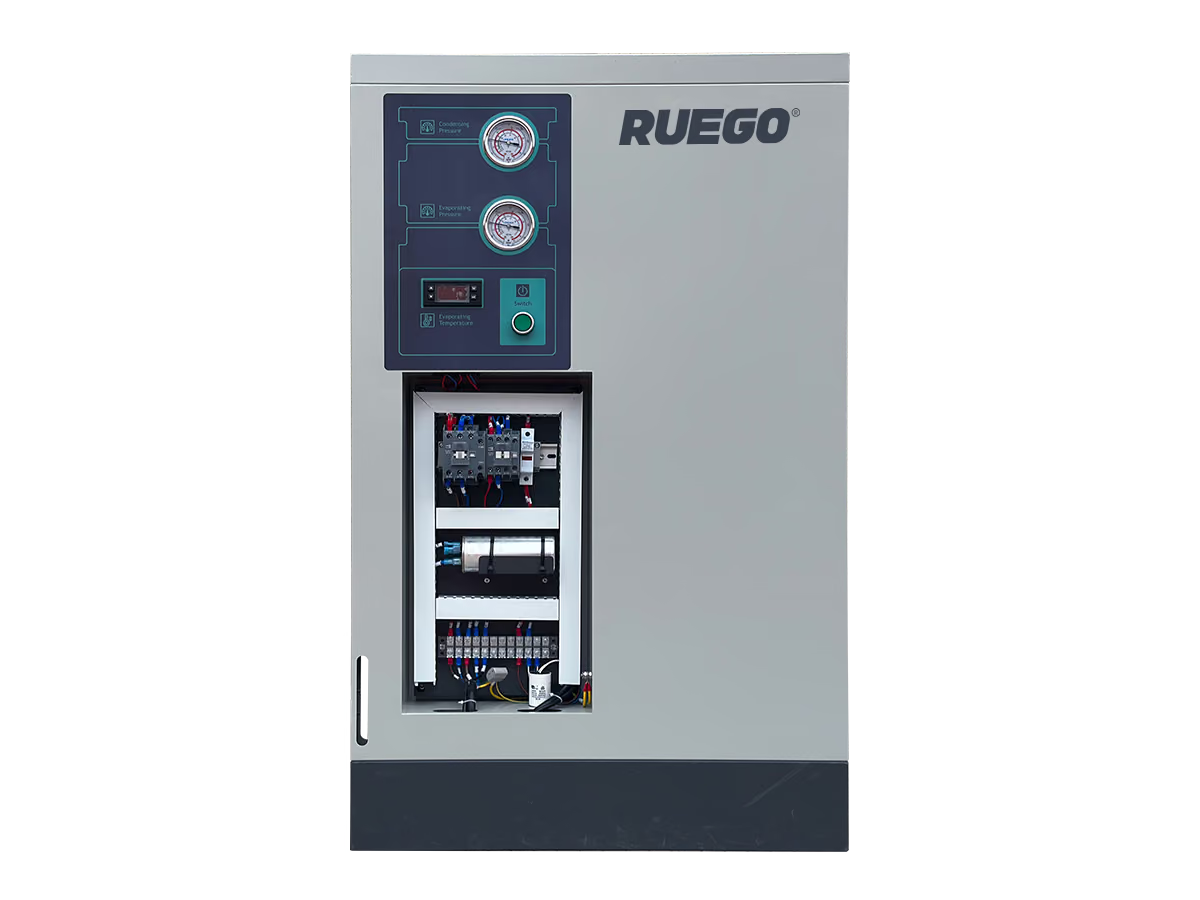
The series provides pressure dew-point display and fault alarms, with RS485 communication available on multiple models. Confirm the communication protocol, remote start/stop and any explosion-proof requirements for your selected configuration.
DS350V and DS450V use DN100 flanged connections; their listed height already includes the flange. DS250V uses a DN80 female-threaded connection. Confirm the selected model’s refrigerant and connection standard before ordering.
Match the Dryer to the Process
Pneumatic equipment and CNC
Reduce moisture reaching cylinders, valves, pneumatic fixtures and tools. Add suitable filtration where particles or oil mist could affect the process.
Packaging and general manufacturing
Provide conventional compressed-air drying for production equipment. Direct product contact requires a separate review of hygiene and air-quality requirements.
Centralized air stations
Size for peak demand and operating conditions. For continuous production, assess standby capacity and a maintenance bypass.
Know when to change the solution
For pressure dew points below 0°C, evaluate desiccant air dryers. Inlet temperatures above 50°C require pre-cooling or assessment of another dryer series.
Air Treatment Around the Dryer
Drying, filtration and drainage perform different jobs. The following arrangement is a starting point for a system review, with filter selection based on the required air quality.
01
Air compressor
02
Air receiver
03
Pre-filter
04
DS-V dryer
05
Fine filter
06
Distribution piping
Control water, oil mist and particles
The receiver buffers demand changes and provides a point for condensate collection. Pre-filtration reduces liquid-water, oil-mist and particle loads entering the dryer. Select compressed air filters to address the remaining particle and oil-mist requirements.
Keep condensate moving out
Inspect and maintain drains at the receiver, filters and dryer. Adding filters does not replace desiccant drying when the process needs a pressure dew point below 0°C.
For selection, prepare the peak airflow and its reference basis, minimum and maximum pressure, highest inlet and ambient temperatures, required pressure dew point, electrical supply and application.