01 / OVERVIEW
RD Series Overview
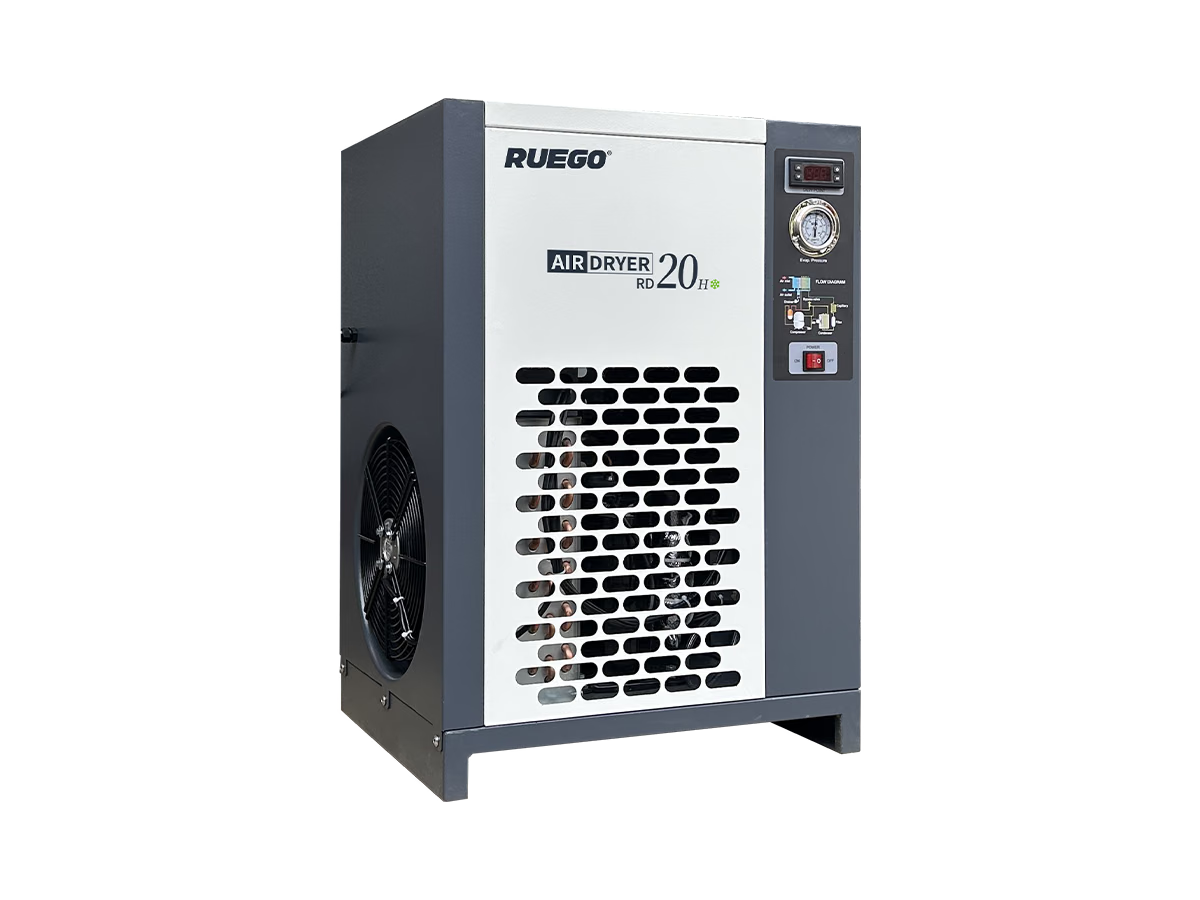
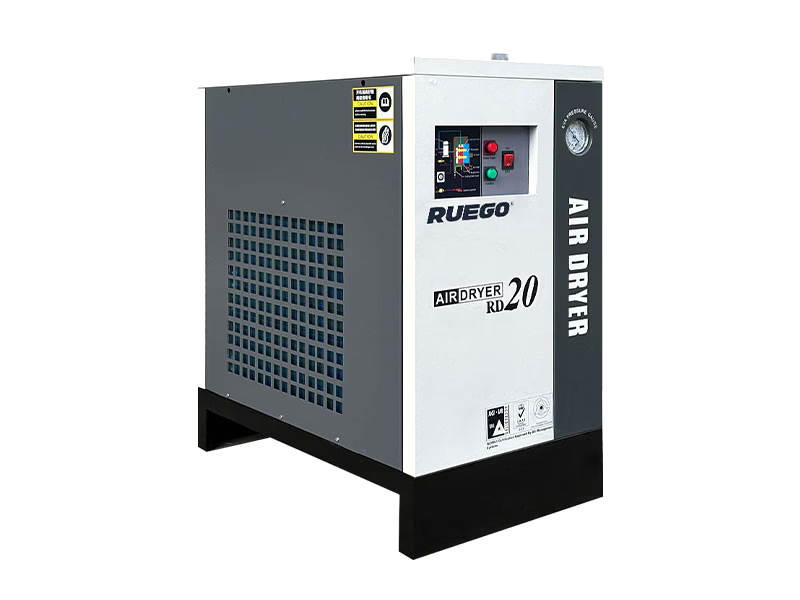
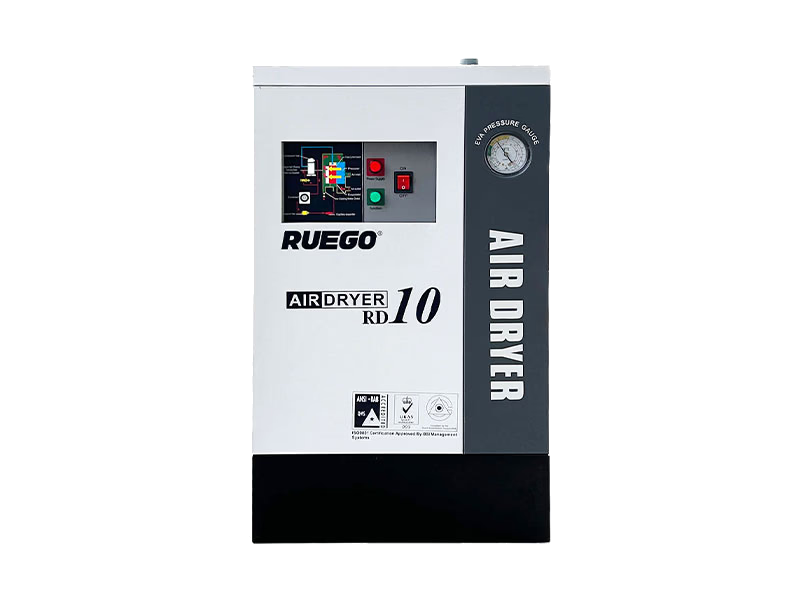
The RUEGO RD Series Refrigerated Air Dryer removes moisture from industrial compressed air through cooling, separation and automatic drainage. Its 2–10°C pressure dew point range suits general machining, pneumatic equipment and packaging applications.
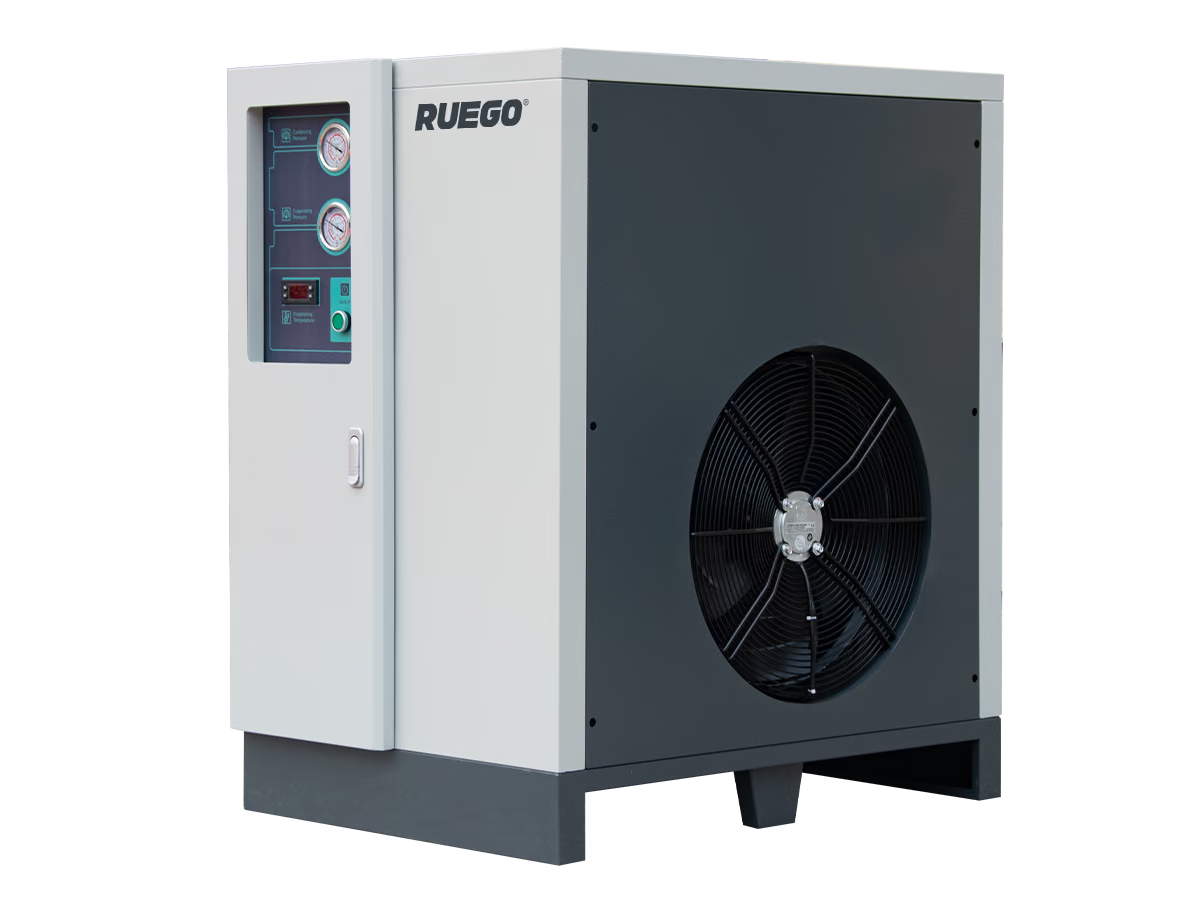
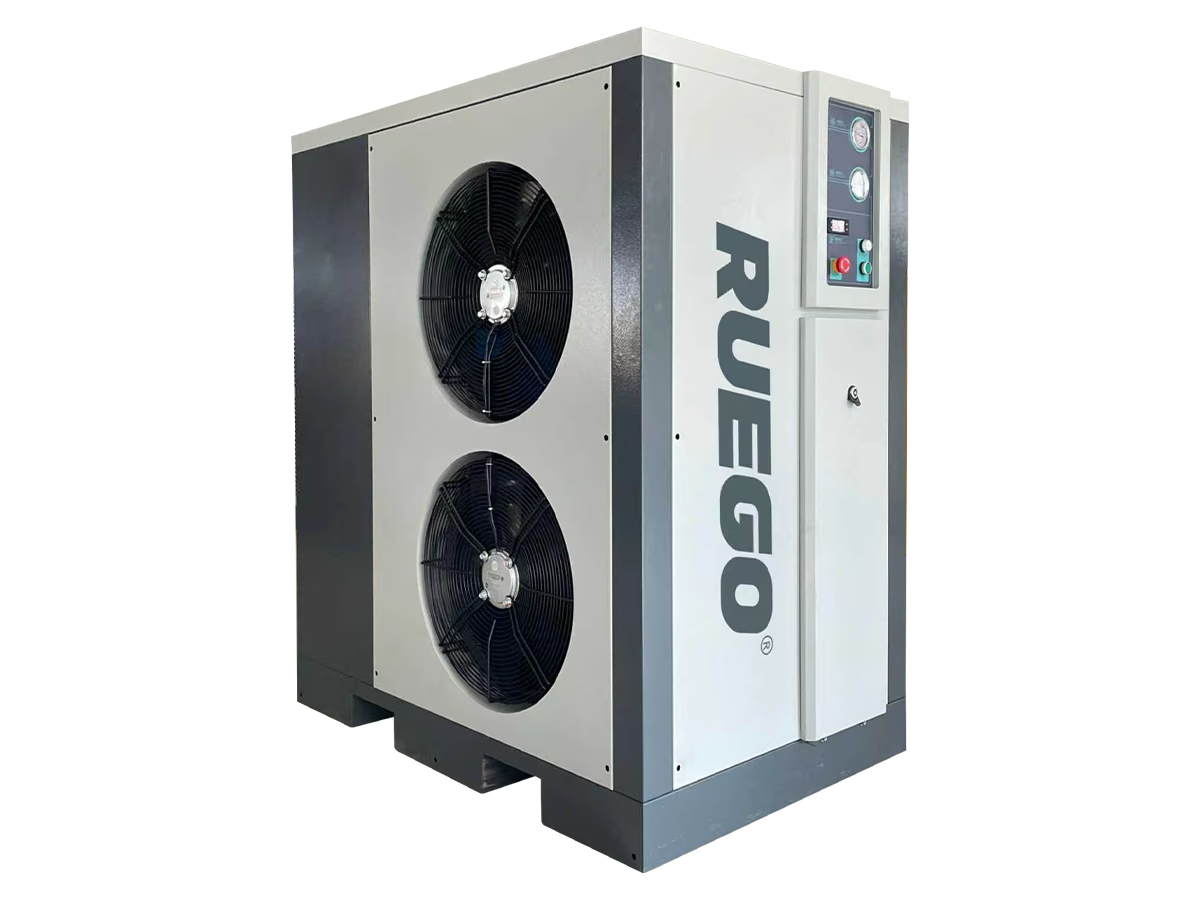
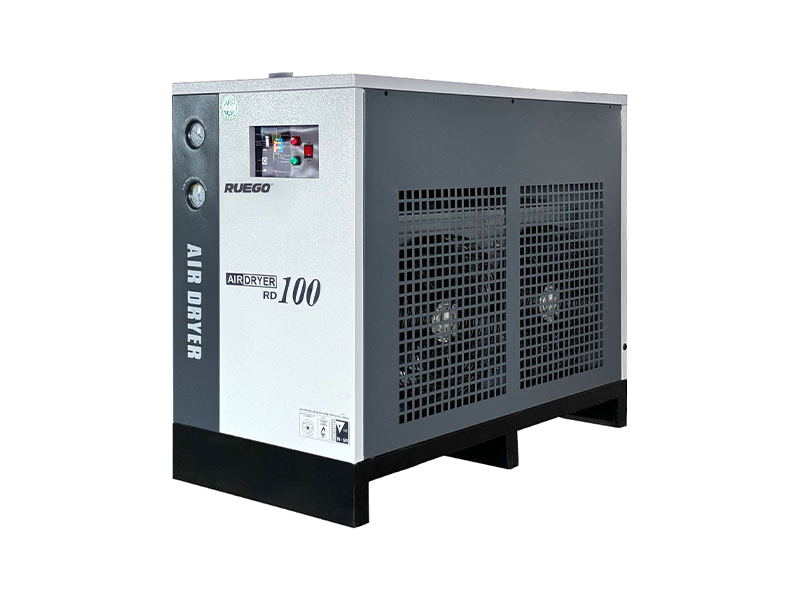
The standard range includes 15 air-cooled models, from RD7.5A to RD600A, with listed capacities of 1–65 Nm³/min. Select a model to match your peak airflow and inlet conditions.
02 / HEAT EXCHANGE
Shell-and-Tube Heat Exchange
The RD is a shell-and-tube refrigerated air dryer with internal copper tube bundles and separate inlet and outlet air paths. Heat exchange between the two streams pre-cools incoming air and warms outgoing dry air.
01
Pre-cooling:
Incoming warm, moist air transfers heat to the outgoing cold, dry air.
02
Refrigeration:
Refrigerant cooling condenses water vapor into liquid water.
03
Separation and drainage:
The separator collects condensed water for discharge through the automatic drain.
04
Outlet air rewarming:
Dry air recovers heat from the inlet air, typically leaving slightly above ambient temperature.
System pressure drives airflow through the dryer; the fan dissipates heat from the refrigeration condenser.
03 / CONTROL & DRAINAGE
Refrigeration Control and Automatic Drainage
Fixed-Speed Refrigeration
A fixed-speed refrigeration compressor and hot gas bypass valve control the cooling process. All standard models use R407C refrigerant. Keep the condenser well ventilated and accessible for maintenance.
Automatic Water Removal
An electric drain removes collected condensate, reducing manual draining. Stainless-steel mesh helps protect the drain from debris. Inspect the drain and screen regularly to keep water discharge clear.
04 / MODEL SELECTION
Selecting Your RD Model
Size the dryer for peak airflow and site conditions. Compressor motor horsepower alone is not enough to select a model.
Flow and reference conditions:
Provide normal and peak airflow, units and reference conditions. Confirm the flow basis before comparing CFM or SCFM with the listed Nm³/min capacities.
Pressure and temperature:
Confirm the full operating range: 6–10 bar pressure, inlet temperature up to 60°C and ambient temperature of 5–40°C. Include the hottest expected conditions.
Dew point and pressure loss:
Specify the required pressure dew point. Allow for the RD’s listed 0.3–0.5 bar pressure loss, plus losses through filters and piping.
Installation:
Check voltage, frequency, phase, pipe connections, drainage and maintenance clearance.
Final capacity depends on operating conditions. Have RUEGO confirm sizing near the pressure or temperature limits, or when a 2°C pressure dew point is required.
05 / APPLICATIONS
Where the RD Series Fits
Single-Compressor Systems
For a workshop compressor or local production cell, match the RD model to peak demand, inlet conditions and available electrical supply.
Production Air Networks
For machining, pneumatic automation, packaging and spraying, RD provides general moisture control. Specify filtration separately for oil, particles and product-contact air requirements.
Centralized Compressor Stations
For multiple compressors or production lines, check combined peak flow and total pressure loss. Plan bypass, redundancy, drainage and maintenance access to suit the station.
For conditions beyond the RD operating range, compare refrigerated dryer options. DS-VH and RD-H are candidates for hotter inlet air, subject to capacity checks. For pressure dew points below 0°C, consider a desiccant air dryer.
06 / SYSTEM INTEGRATION
System Setup and Project Options
A typical RD installation uses an air receiver and pre-filter upstream, with a fine filter downstream. The receiver buffers demand; suitable pre-filtration reduces particles, oil mist and liquid water entering the dryer.
Select compressed air filters to meet the required particle and oil limits. Drying and filtration serve different purposes: additional filters cannot deliver a lower pressure dew point.
Standard models are air-cooled. Water cooling, electrical changes, nonstandard connections and specified components are available by project confirmation. OEM options include colors, logos, nameplates, manuals and packaging.