
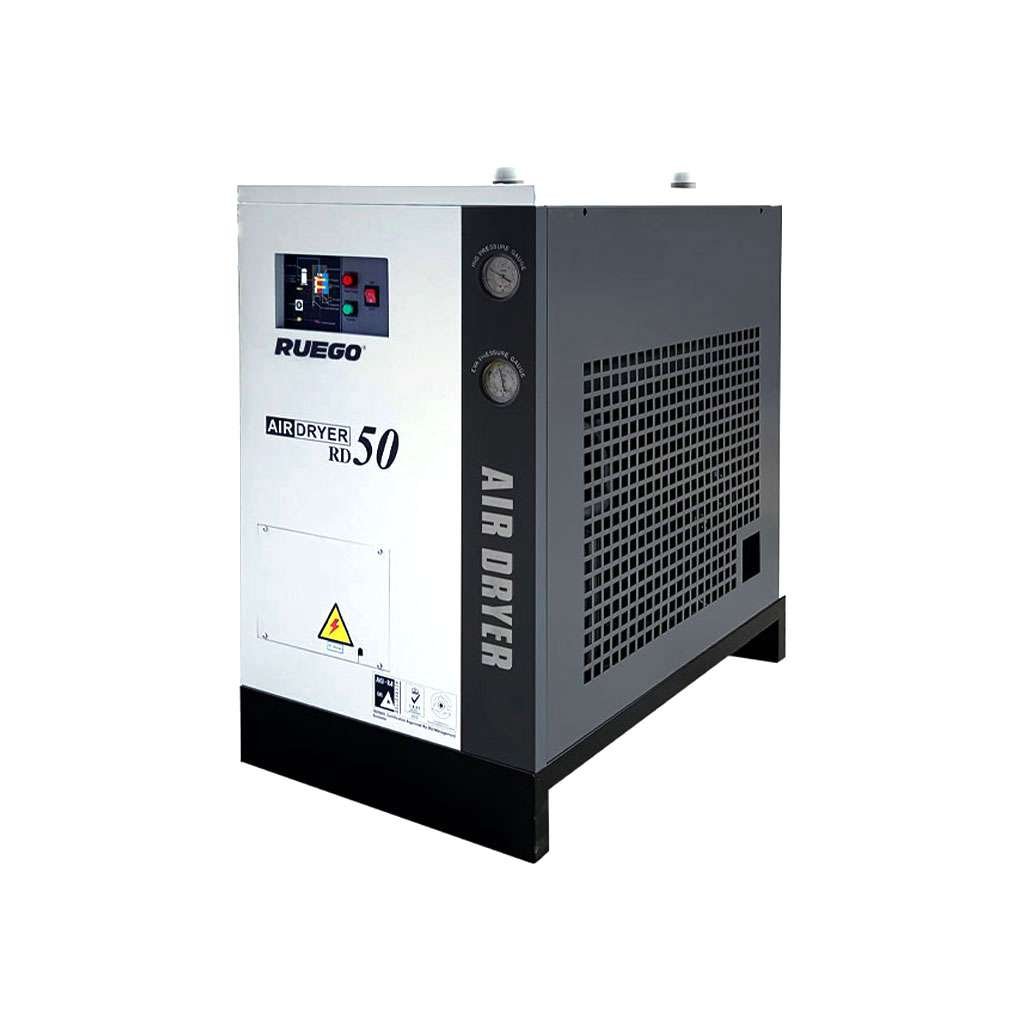
Refrigerated Air Dryers
Refrigerated air dryers are a cost-effective solution for removing moisture from compressed air. Ideal for general industrial applications, these dryers are energy-efficient and reliable.
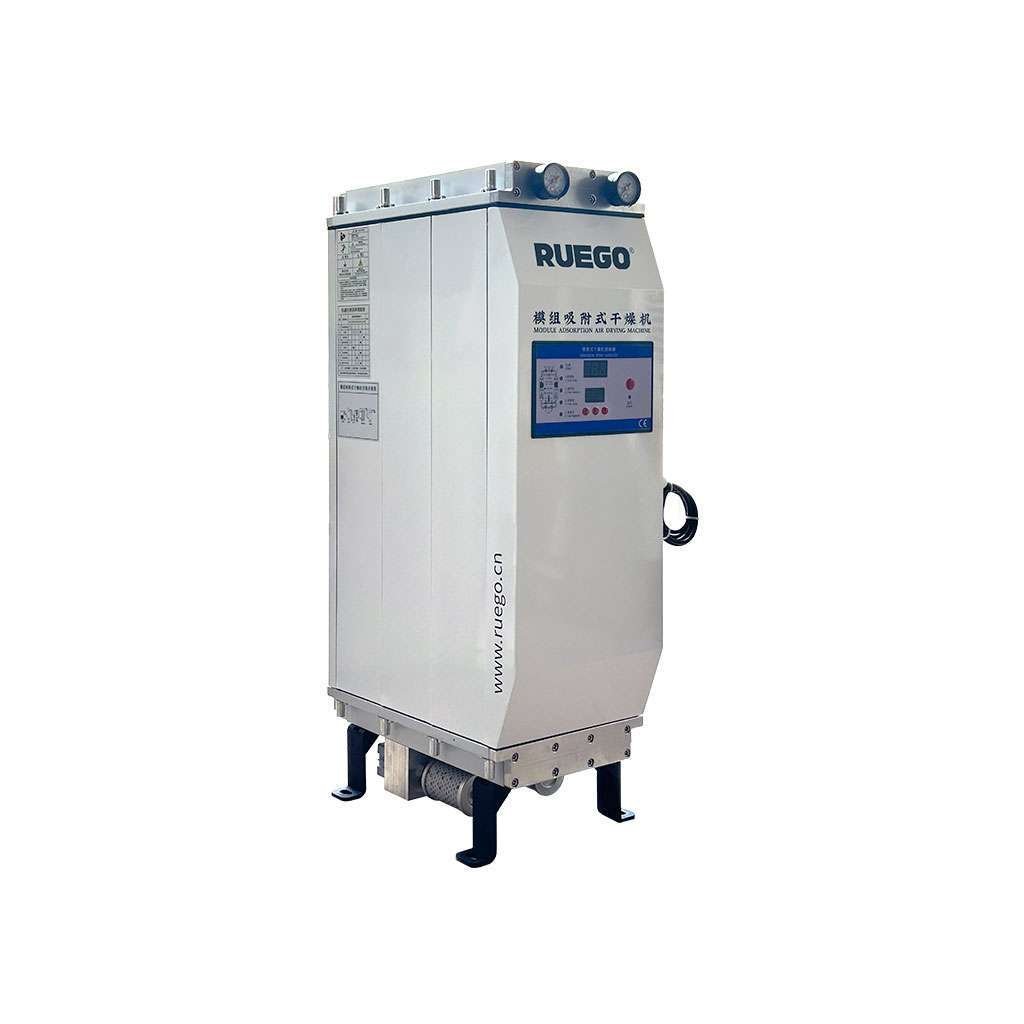
Desiccant Air Dryers(Adsorption)
Desiccant air dryers deliver ultra-low dew points, making them perfect for industries requiring precision-grade air, such as pharmaceuticals and electronics.
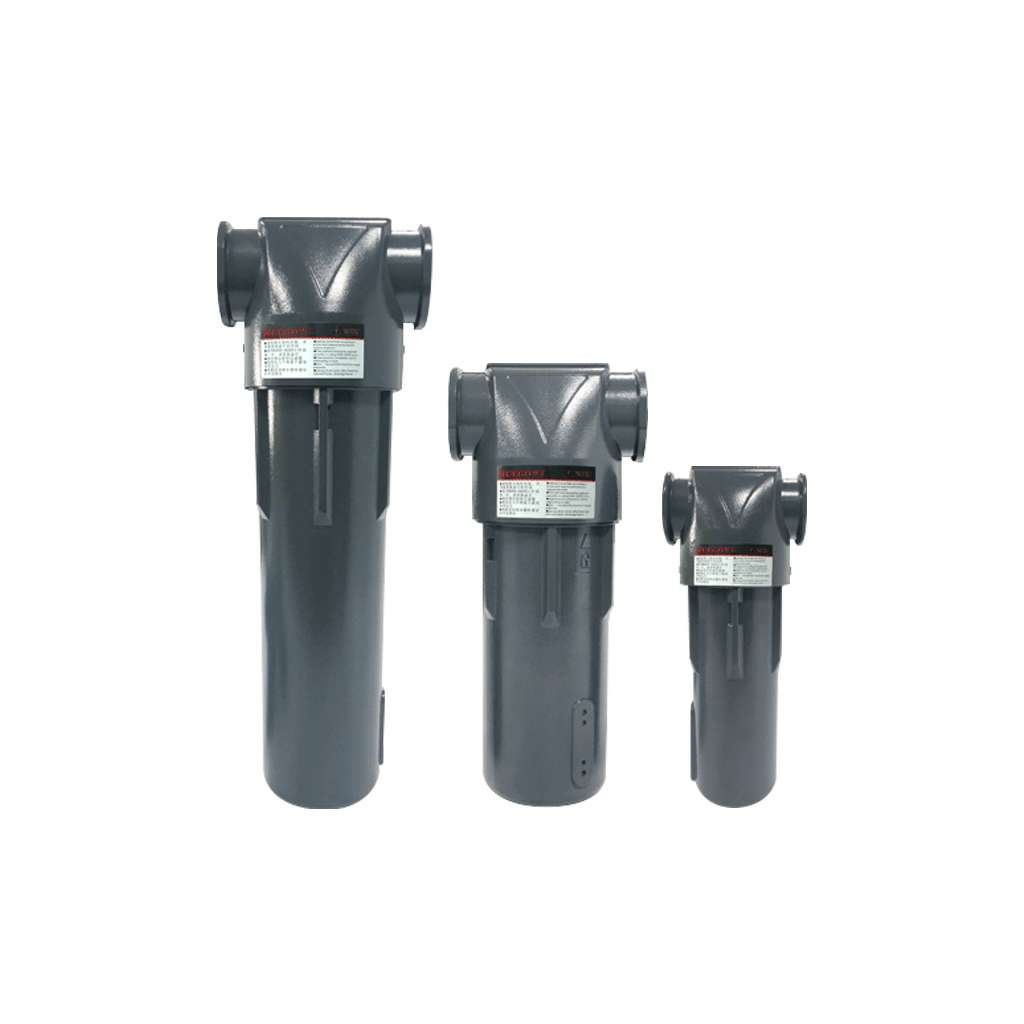
Air Compressor Filters
Compressed air filters remove particles, oil, and contaminants, ensuring clean air for critical applications like food and beverage production.
Do I need a dryer for my air compressor?
Yes, air dryers are essential for removing moisture from compressed air, preventing corrosion, reducing equipment damage, and maintaining overall system efficiency. Without a dryer, moisture can lead to rust, blockages, and reduced air quality.
What is the difference between refrigerated and desiccant dryers?
Refrigerated Dryer: Cools air to condense and remove moisture. Ideal for general industrial applications with moderate dew point requirements (approximately 2-10°C).
Desiccant Dryer: Uses adsorption to remove moisture, achieving ultra-dry air with dew points as low as -40°C or lower. Better suited for sensitive applications such as pharmaceuticals or electronics.
How to choose the right air dryer for my needs?
Consider the following factors:
- Air Quality Requirements: The required dew point and ISO air quality class for your application.
- Flow Rate (CFM): Ensure the dryer can handle the air volume of your compressor.
- Operating Pressure: Match the dryer to your system's pressure range.
- Application Needs: Choose a refrigerated dryer for general use or a desiccant dryer for precision drying.
What is a modular desiccant dryer, and why is it beneficial?
A modular desiccant dryer features a compact, space-saving design that is easy to install and maintain. Its modular nature allows for flexibility in system upgrades and reduces downtime during maintenance. Ideal for facilities with limited space or frequent layout changes.
How does an air dryer improve product quality?
By removing moisture, oil, and contaminants from compressed air, an air dryer ensures clean, dry air is delivered to equipment or production processes. This is critical for industries like food and beverage, pharmaceuticals, and electronics, where air purity directly affects product integrity.
What happens if I use the wrong type of air dryer?
Using an inappropriate air dryer can result in:
- Insufficient moisture removal, leading to equipment corrosion.
- Higher energy consumption and operational costs.
- Inability to meet specific air quality requirements, potentially impacting production quality.
Can I use both a refrigerated and desiccant dryer together?
Yes, combining both dryers is common in systems that require ultra-dry air. The refrigerated dryer handles most of the moisture, reducing the load on the desiccant dryer, which then ensures precision drying.
How often should I maintain or replace components in an air dryer?
Maintenance schedules depend on the type of dryer:
- Refrigerated Dryers: Inspect and clean condensers and replace filters every 6-12 months.
- Desiccant Dryers: Replace desiccant material based on usage (typically every 12-24 months) and inspect valves regularly. Always follow the manufacturer's recommendations.
What is the typical lifespan of an air dryer?
The lifespan varies by type and usage:
- Refrigerated Dryers: Typically 8-10 years with proper maintenance.
- Desiccant Dryers: 10+ years, provided desiccant material is replaced periodically, and the system is well-maintained.
Is an air filter required when using an air dryer?
Yes, an air filter is essential to remove solid particles and oil mist before air enters the dryer. This protects the dryer from contamination and ensures optimal performance.